
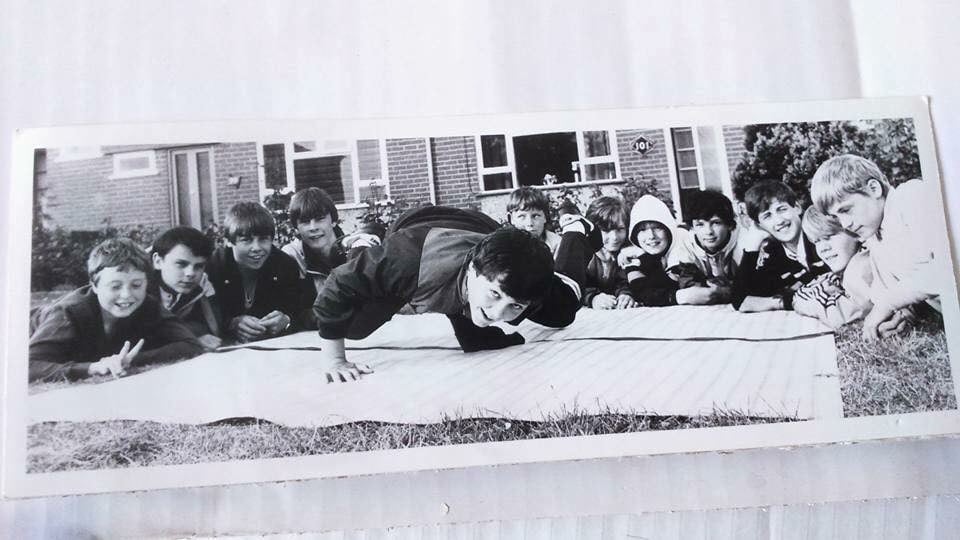
Powered by Hip Hop CIC has been awarded €10,000 for a UK Break Dance heritage project that will research, record and protect overlooked Breaking history.
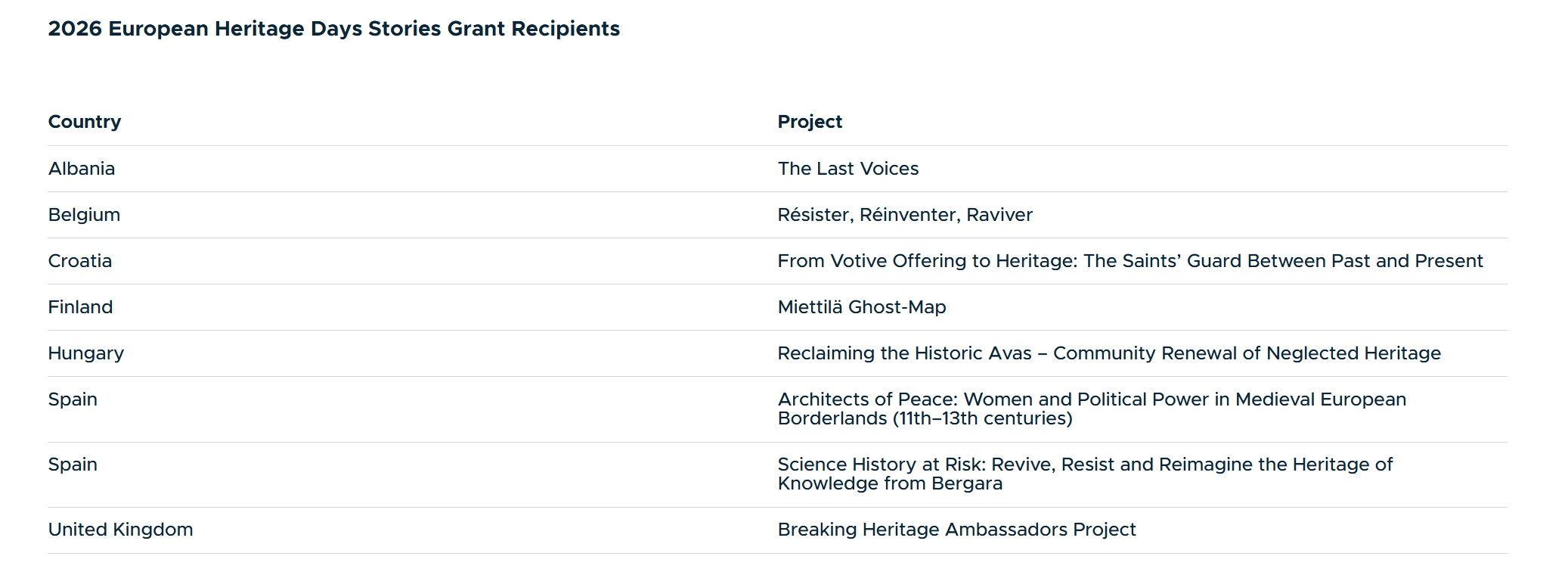
We were the only UK organisation selected for funding through the 2026 European Heritage Days Stories grant scheme, with our Breaking Heritage Ambassadors Project chosen as one of just eight successful projects from across Europe.
For a grassroots Hip Hop organisation based in St Helens, this is a major achievement and independent recognition of more than 20 years of knowledge, experience and trust within Breaking and Hip Hop culture.
UK Break Dance Heritage Receives European Recognition
European Heritage Days is a joint programme of the Council of Europe and the European Union.
The 2026 European Heritage Days Stories grant scheme invited community-led projects to respond to the theme Heritage at Risk: Revive, Resist, Reimagine.
Eight projects were selected from across Europe, with Powered by Hip Hop’s Breaking Heritage Ambassadors Project the only successful project from the UK.
This places the Break Dance heritage of St Helens, the Liverpool City Region and overlooked northern communities alongside other important forms of European history and culture.
It also strengthens Powered by Hip Hop’s position as one of the UK’s leading specialist organisations working in Breaking, Break Dance and Hip Hop heritage
Read the official European Heritage Days funding announcement.
Why Powered by Hip Hop Is Best Placed to Lead This Work
We have not suddenly moved into Hip Hop heritage because funding became available.
We have lived, taught and helped pass on this culture for more than 20 years.
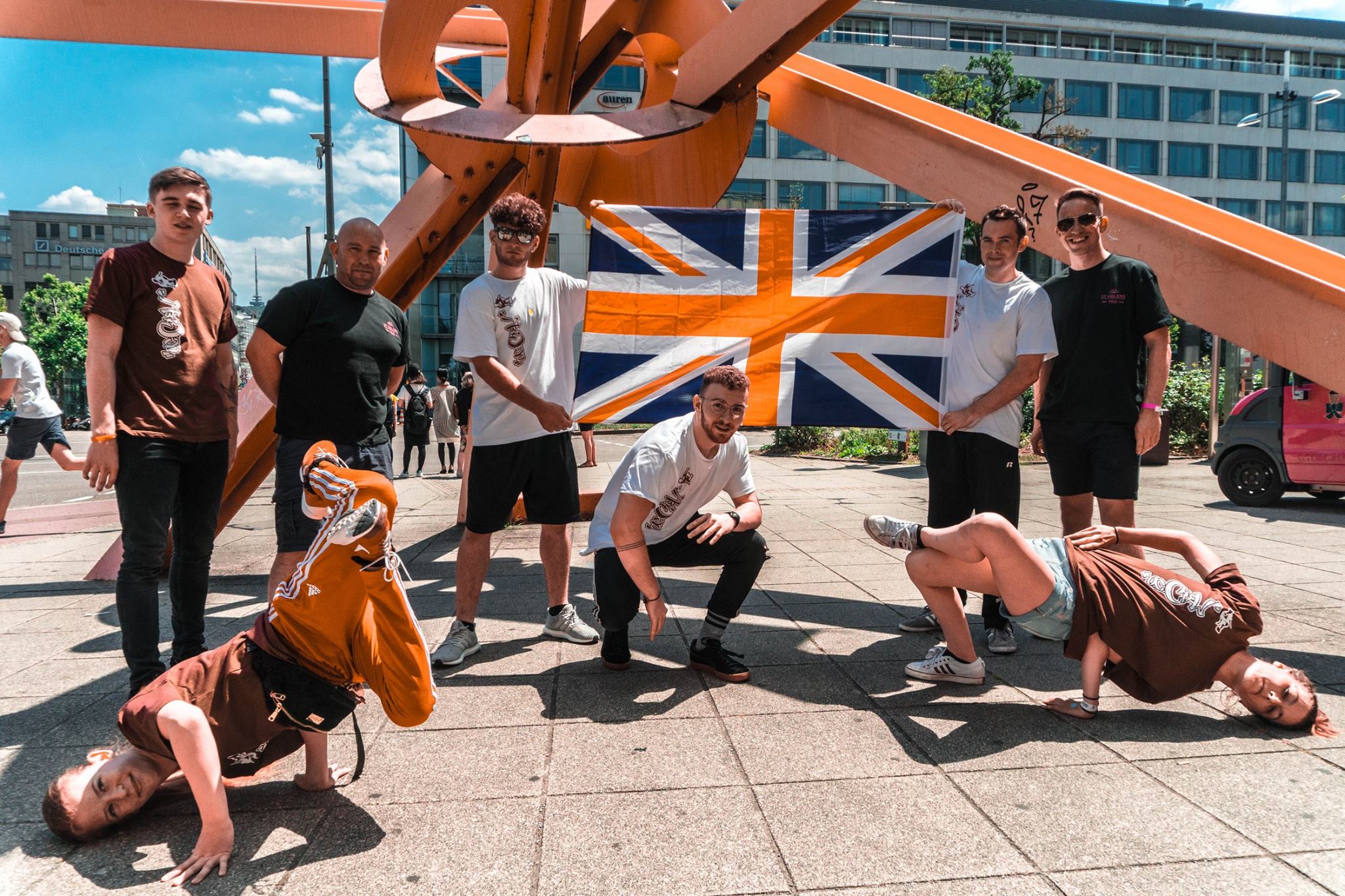
Our journey began in St Helens in 2004 as UC Crew. Since then, we have taught Breaking to different generations, developed teachers and volunteers, organised competitions, supported international youth exchanges and created opportunities for young people to perform, compete and lead.
Learn more about Tom Glynn’s experience in Breaking, teaching and Hip Hop community development.
In 2022, we became Powered by Hip Hop CIC, reflecting our wider work across Hip Hop culture, education, youth work, community development and heritage.
Since 2020, we have also worked with original Breakers, young dancers, community members and St Helens Archive Service to research and publicly share the history of Breaking.
Our Hip Hop heritage work has included recording the memories of original Break Dancers and Hip Hop practitioners, identifying early crews, teachers and youth workers, researching youth clubs and community venues, locating photographs and video footage, and creating public Break Dance heritage displays and events.
We have also brought original pioneers together with today’s young dancers, helping children and young people understand the culture behind the moves they learn.
There are heritage organisations that understand archives.
There are dance organisations that understand Breaking.
Powered by Hip Hop brings both together.
We understand heritage research, youth participation and community storytelling, but we also understand the language, relationships, values and lived experience of Hip Hop culture.
That combination is essential when much of the history has never been written down and can only be found by earning the trust of the people who were there.
What Is the Breaking Heritage Ambassadors Project?
The €10,000 funding will allow us to train young people as Breaking Heritage Ambassadors.
They will not simply attend a heritage project or look at a finished exhibition.
They will help research and create it.
Young people will learn how to:
- interview original Breakers, youth workers and community members;
- record oral histories;
- research archives and newspaper collections;
- identify people, places and dates in old photographs;
- document flyers, clothing, trophies and other artefacts;
- create digital stories and public heritage displays;
- share their findings with other young people;
- connect local Break Dance history with the wider story of Hip Hop.
The project will give young people practical skills in research, communication, photography, digital storytelling and public presentation.
It will also help them understand that they are not simply learning dance moves.
They are continuing a culture passed down through creativity, friendship, mentorship, youth work and community leadership.
The St Helens and Stuttgart Break Dance Connection
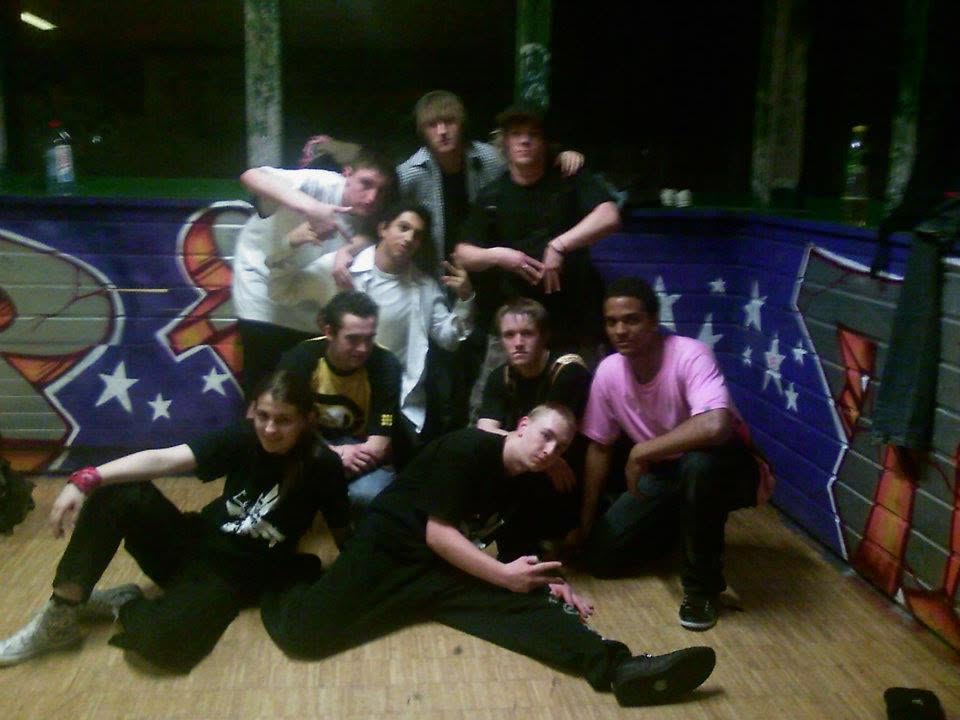
A central part of the project is the long-standing Breaking connection between St Helens and its twin town of Stuttgart in Germany.
Breakers from the two communities have been connected since 2008 through performances, competitions, youth exchanges and shared learning.
When international travel stopped during the COVID-19 pandemic, teachers from both communities continued supporting one another online by sharing lessons, teaching approaches and movement ideas.
Despite this long relationship, the shared Break Dance history of St Helens and Stuttgart has never been formally documented together.
The Breaking Heritage Ambassadors Project will begin changing that.
Young people will help explore how Breaking developed in both communities, who helped sustain it and how Hip Hop culture created a lasting European relationship between two different places.
Read our full European Heritage Days story about the St Helens and Stuttgart Breaking connection.
Protecting Break Dance History Across the Liverpool City Region
Alongside the St Helens and Stuttgart story, Powered by Hip Hop is developing research into overlooked Break Dance history across the Liverpool City Region.
Our work includes communities in St Helens, Liverpool, Halton, Sefton and Knowsley.
The story of UK Hip Hop does not only belong to major cities or internationally famous artists.
It also belongs to young people who formed crews in smaller communities, practised in youth clubs and passed their knowledge on to friends.
Break Dance History in St Helens
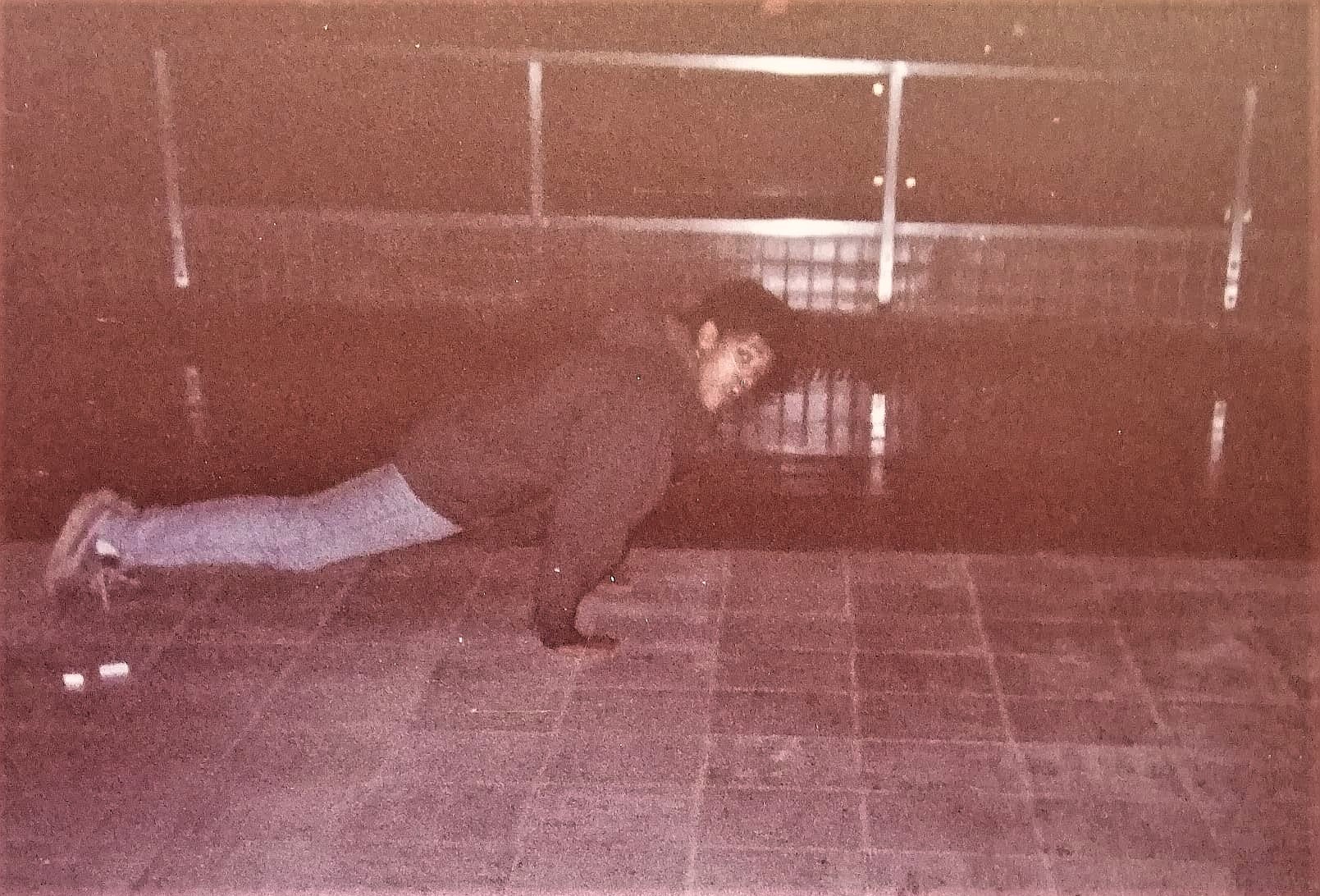
We are researching the original Breakers, crews, youth clubs, teachers, town-centre performances and community events that helped Breaking grow in St Helens from the early 1980s onwards.
This includes connecting the original pioneers of St Helens Break Dancing with the young people continuing the culture today.
Break Dance History in Liverpool
Our developing Liverpool Break Dance research includes local crews, youth culture, performances and major public events.
This includes the role of the 1984 International Garden Festival, where Break Dance crews performed in front of large public audiences, as well as the smaller community spaces where Liverpool Breakers practised and developed.
Read our research into Liverpool Break Dance pioneers the Eastwood Rockers
Break Dance History in Halton
We want to uncover the Break Dance history of Halton, including memories from Widnes, Runcorn and surrounding communities.
We are interested in identifying early dancers, crews, youth clubs, teachers, demonstrations, competitions and the places where young people gathered to practise.
Break Dance History in Sefton
We are seeking stories about Break Dancing across Sefton, including local crews, youth provision, performances and the people who introduced Breaking, body popping and electric boogie to young people in the borough.
Much of this history may still only exist in personal memories, family photographs and local newspaper collections.
Break Dance History in Knowsley
Our work also includes researching Break Dance and Hip Hop heritage in Knowsley, including Prescot and surrounding communities.
We want to understand how Breaking developed through youth clubs, schools, community centres, local dancers and links with neighbouring areas.
Recording Break Dance History in Northern Towns and Villages
Powered by Hip Hop is also researching northern towns and villages where Break Dance history has rarely been formally documented or recorded.
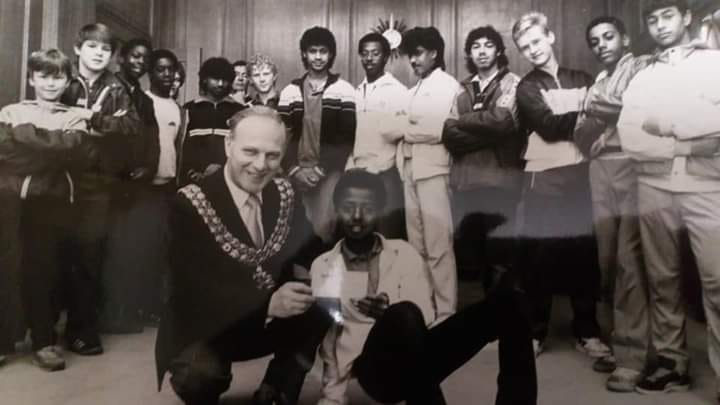
When Break Dancing appeared across the UK during the early and mid-1980s, it travelled far beyond the largest cities.
Young people discovered it through television programmes, music videos, films, touring demonstrations, local discos and friends who had learned moves elsewhere.
Local crews formed and practised in youth clubs, community centres, village halls, schools, shopping precincts, garages and family homes.
Sometimes all they needed was a piece of lino, cardboard or hardboard and enough room to practise.
These local stories are an important part of British Hip Hop history.
Break Dance History in Chorley
We are uncovering how Break Dancing, body popping and electric boogie reached Chorley during the early 1980s.
Our research is looking at the first local dancers and crews, where they practised, how they discovered the culture and what happened after the first national Break Dance craze began to fade.
We are also documenting the teachers and community organisations that later helped introduce Breaking to new generations.
Break Dance History in Wigan
Our research is helping to identify Break Dance teachers, classes, crews, competitions and events connected to Wigan.
It is also showing how dancers moved between neighbouring communities, carrying knowledge and building relationships through teaching, training and battles.
Break Dance History in Warrington
We are collecting information about Warrington Break Dance crews, teachers, venues, practice spaces and competitions.
This includes the different generations that helped keep Breaking active and the people who connected Warrington dancers with the wider UK Breaking scene.
Discover the Breaking journey and teaching legacy of Warrington B-Boy Bov
Break Dance History in Other Northern Communities
We know there are many more stories waiting to be found.
Some towns and villages had established crews, regular training sessions and large public performances.
Others may only have had a small group of friends practicing together for a few years.
Both stories matter.
Our aim is not to claim ownership of every Break Dance story across the North.
It is to create a trusted way of finding, recording and protecting local histories that might otherwise disappear.
Why UK Break Dance Heritage Is at Risk
Breaking itself is not disappearing.
New generations continue to enter and develop the culture.
What is at risk is the local history behind it.
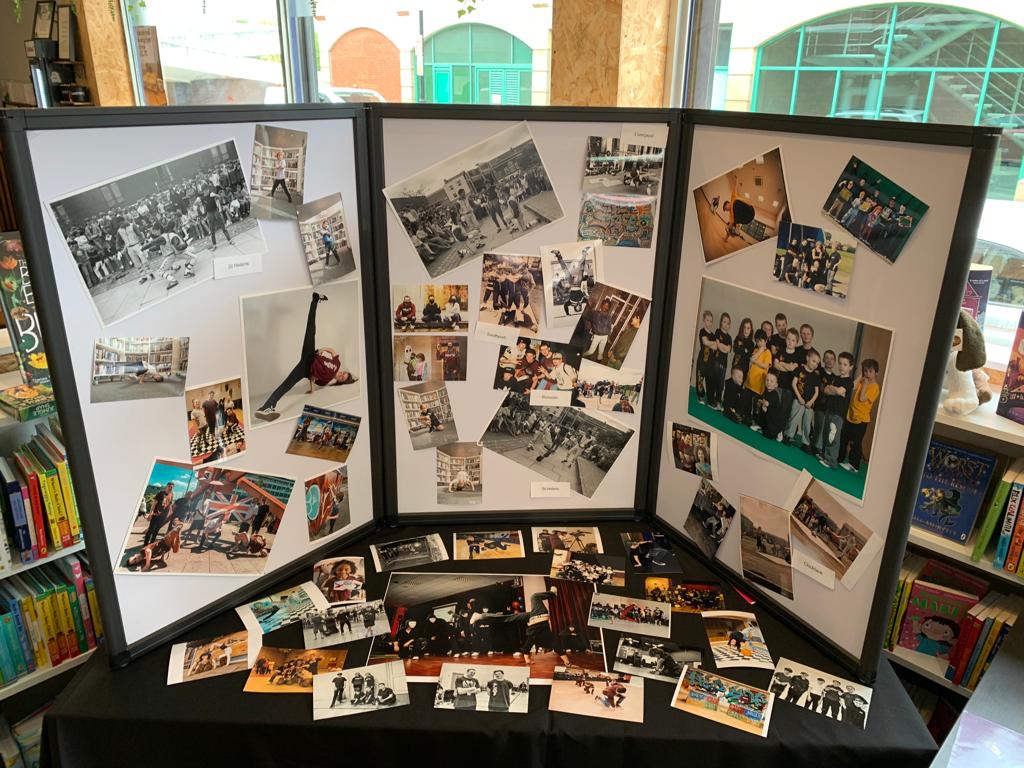
Many early Break Dance stories survive only through personal memories, family photographs, old newspaper cuttings, flyers stored in boxes, trophies, clothing and VHS tapes kept in lofts and garages.
The culture was rarely formally recorded when it first appeared.
Many adults and institutions saw Break Dancing as a short-lived craze rather than a cultural movement that would still be active more than 40 years later.
As people lose contact, move away or pass away, their knowledge can disappear with them.
One missing name, photograph or date may seem small.
Together, those missing pieces leave major gaps in the history of British Hip Hop.
That is why this work needs to happen now.
Learn more about Powered by Hip Hop’s community impact, heritage work and previous supporters.
Recognition for the People Who Built the Culture
This funding recognises more than one organisation.
It recognises the original Breakers who practised wherever they could, often without formal teachers, equipment or financial support.
It recognises the youth workers who opened buildings, found pieces of lino and created safe spaces where young people could learn.
It recognises the dancers who passed their knowledge to the next generation without expecting payment or public recognition.
It recognises the families who kept photographs, flyers, newspaper cuttings and memories safe.
It also recognises the children and young people continuing the culture today.
“We Understand This History Because We Are Part of the Culture”
“Receiving €10,000 and being the only UK organisation selected is a massive achievement for us.
“We have worked directly in Breaking since 2004, and over the last few years we have seen how much of its local history is at risk of being lost.
“The story of UK Hip Hop does not only belong to major cities or famous artists. It also belongs to the young people who formed crews in northern towns and villages, practised in youth clubs and passed their knowledge on to their friends.
“We understand this history because we are part of the culture. This funding will help us work with original pioneers and young people to make sure their stories are properly recorded and respected.”
Tom Glynn, Director of Powered by Hip Hop CIC
Do You Remember Break Dancing in Your Area?
We would like to hear from original Breakers, poppers, electric boogie dancers, DJs, youth workers, photographers, promoters, families and community members.
You may be able to help if you remember Break Dancing in St Helens, Liverpool, Halton, Sefton, Knowsley, Chorley, Wigan, Warrington or another northern town or village.
We are looking for:
- local Break Dance crews and dancers;
- dancer nicknames and crew names;
- youth clubs and practice spaces;
- teachers and youth workers;
- competitions, demonstrations and performances;
- photographs, flyers and newspaper cuttings;
- VHS tapes and other video footage;
- clothing, trophies and memorabilia;
- memories of how Breaking first reached your community.
You do not need to know the full history. Even one name, photograph, date or memory could help us reconnect an important part of UK Hip Hop heritage.
Interested in Working With Powered by Hip Hop?
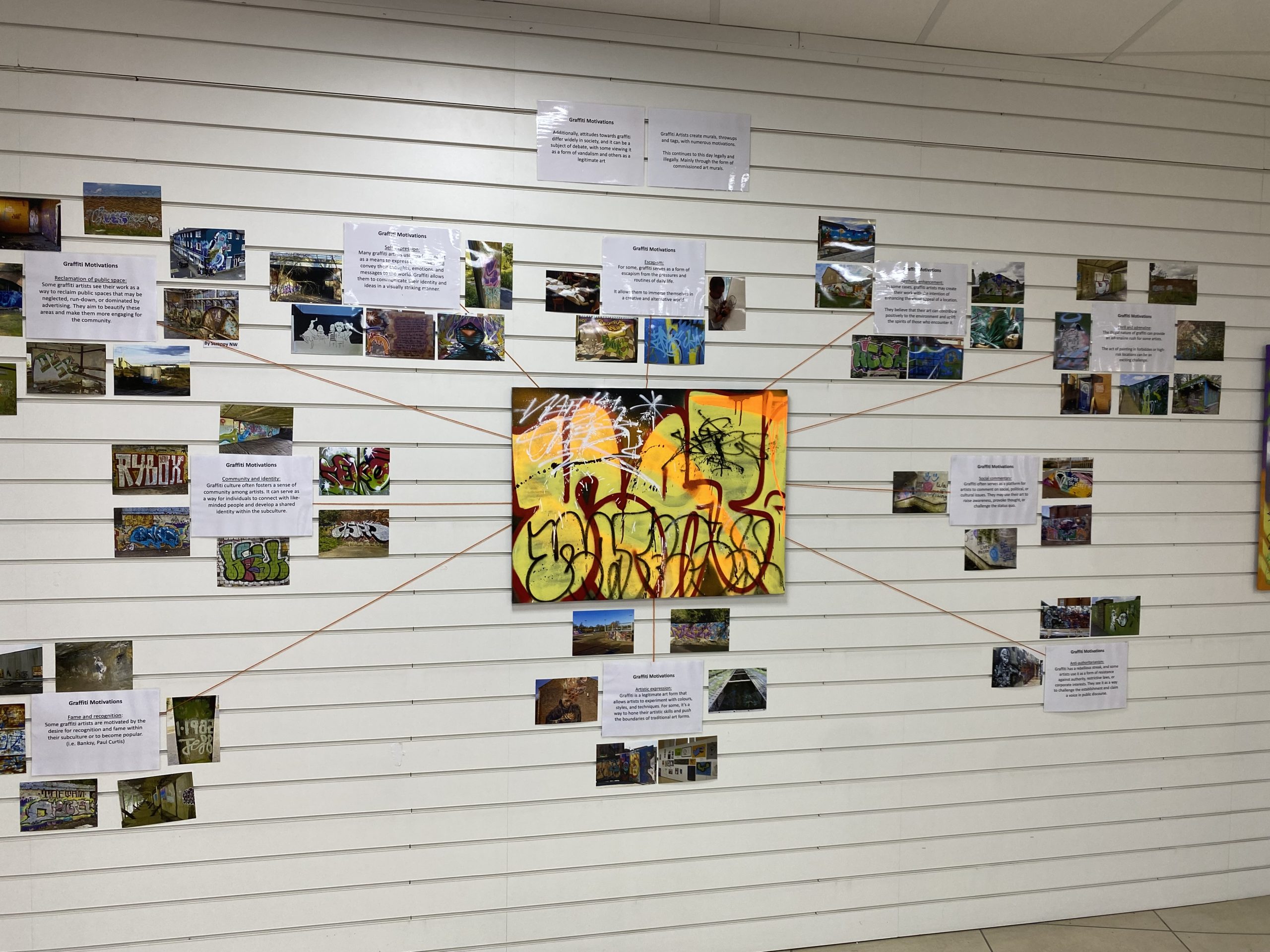
Powered by Hip Hop CIC delivers Hip Hop classes, DJ workshops, graffiti workshops, school projects and community activities across St Helens, Prescot and the wider region.
To find out more about our Hip Hop classes, DJ workshops, graffiti workshops or community projects, please get in touch.
For more updates, follow Powered by Hip Hop on Facebook and Instagram.
Please message us, if you have any questions about our workshops, projects and classes.
For more details or any updates, keep an eye on our social channels.